
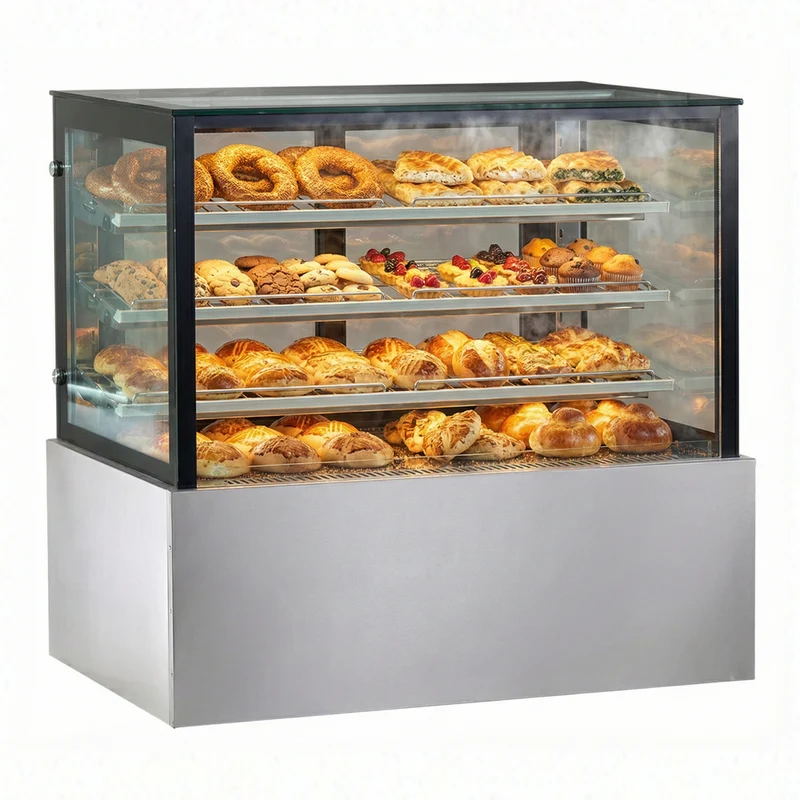
Choosing the right food warmer display is essential for businesses that serve hot food, such as restaurants, cafeterias, or catering services. A well-selected warmer not only keeps food at safe temperatures but also enhances presentation and efficiency. The first consideration when selecting a food warmer display is the type of food you intend to keep warm. Different foods require different temperature settings and humidity levels to maintain quality without drying out or becoming soggy. For example, fried items may need a dry heat environment, while dishes like soups or stews benefit from moist heat. Understanding these requirements helps narrow down options between models designed for dry heat versus those with steam capabilities.
Capacity is another critical factor to evaluate. Food warmers come in various sizes, so it’s important to choose one that matches your volume needs without wasting energy on heating unnecessary space. Consider how much food you typically prepare and serve during peak hours and whether the unit can accommodate this amount comfortably. Overcrowding a smaller unit can lead to uneven heating and compromised food safety.
The design of the display also plays a significant role in customer experience and operational workflow. Transparent glass panels are common as they allow customers to view available items clearly while maintaining hygiene standards by protecting the food from contaminants. Look for displays with easy-to-clean surfaces and accessible trays or pans that simplify replenishing stock during busy periods.
Temperature control features should be precise and user-friendly to ensure consistent warming conditions throughout service times. Some models offer adjustable thermostats with digital readouts for accurate monitoring, which reduces guesswork and potential spoilage risks. Additionally, consider units equipped with timers or automatic shut-off functions for added safety.
Energy efficiency is increasingly important both environmentally and economically. Selecting a model with efficient insulation and low power consumption will reduce operating costs over time without sacrificing performance.
Finally, durability matters because commercial environments demand equipment built to withstand frequent use under varying conditions. Check for sturdy construction materials such as stainless steel frames that resist corrosion while maintaining an attractive appearance.
In summary, choosing the right Food Warmer Display involves balancing factors like suitable heating method based on your menu offerings, appropriate capacity size aligned with your service volume, clear design facilitating both visibility and hygiene, reliable temperature controls ensuring consistent warmth, energy-efficient operation minimizing costs, plus robust build quality guaranteeing longevity in demanding settings. Taking time to assess these aspects carefully leads to smarter purchases supporting better customer satisfaction alongside operational success.