
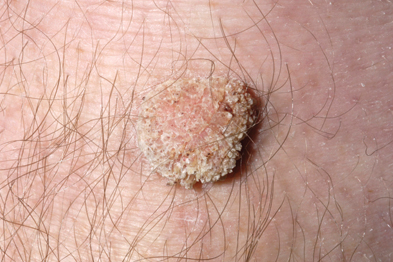
Mole removal has become an increasingly popular cosmetic procedure, with many individuals seeking to eliminate moles for either aesthetic reasons or due to medical concerns. Fortunately, advancements in dermatological treatments have paved the way for procedures that offer minimal downtime, allowing patients to return to their daily routines promptly.
Traditionally, mole removal involved surgical excision, which could be invasive and required significant recovery time. However, modern techniques now provide less invasive options with quicker healing processes. Among these contemporary methods are laser therapy and radiofrequency ablation.
Laser therapy is a favored choice due to its precision and effectiveness. This method employs concentrated light beams that target the pigmented cells within the mole. The laser breaks down these cells without damaging surrounding skin tissue. One of the key advantages of laser treatment is its ability to minimize scarring compared to traditional surgical methods. Additionally, this procedure is relatively quick and usually requires only topical anesthesia.
Radiofrequency ablation is another minimally invasive technique gaining popularity for mole removal. This method utilizes high-frequency radio waves to generate heat that effectively removes the mole tissue layer by layer. Radiofrequency ablation offers precise control over depth penetration, ensuring only the targeted area is treated while preserving healthy surrounding tissues.
Both https://moleremovalat.com/warts/ laser therapy and radiofrequency ablation boast minimal downtime post-procedure. Patients typically experience mild redness or swelling at the treatment site; however, these symptoms generally subside within a few days. Most individuals can resume normal activities almost immediately after treatment but should follow specific aftercare instructions provided by their dermatologist.
Another aspect contributing to minimal downtime treatments’ appeal is their reduced risk of infection and complications compared to more invasive surgeries. With fewer open wounds involved in procedures like laser therapy and radiofrequency ablation, there’s a lower chance of bacterial infiltration during recovery.
Despite these benefits, it’s essential for patients considering mole removal through any method—minimal downtime included—to consult with a qualified dermatologist beforehand. A thorough evaluation will ensure that moles are benign before proceeding with cosmetic removal; suspicious moles may require biopsy or further investigation prior to any aesthetic intervention.
In conclusion, advancements in dermatology have made it possible for individuals seeking mole removal solutions with minimal disruption to their lives post-treatment through innovative methods such as laser therapy and radiofrequency ablation offer effective results while prioritizing patient comfort and convenience during recovery periods overall opting for minimally invasive techniques ensures not only satisfactory outcomes but also peace of mind knowing one can swiftly return back into routine activities confidently embracing clearer healthier skin free from unwanted moles seamlessly integrated into everyday living experiences enhancing both appearance self-esteem alike making them worthwhile considerations when contemplating cosmetic enhancements today!