
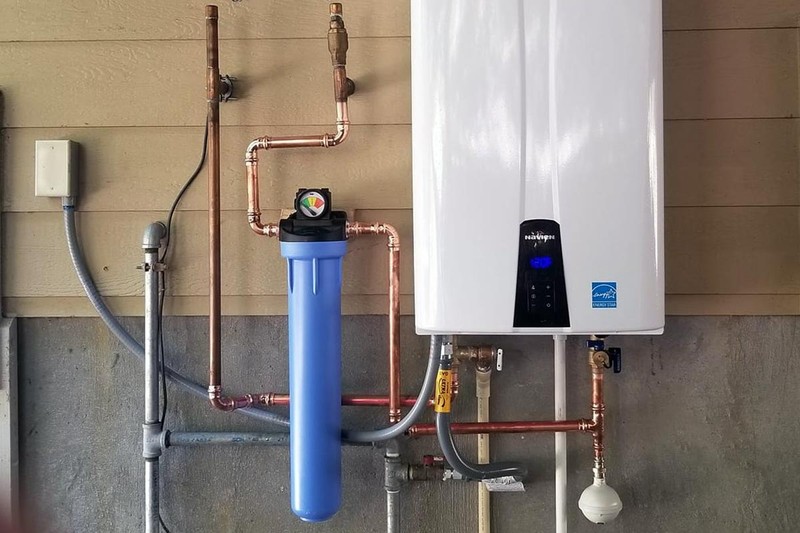
A water heater is an essential appliance in any home, providing hot water for daily activities such as bathing, cooking, and cleaning. Over time, however, water heaters can wear out or become inefficient, leading to the need for a replacement. Recognizing the signs that indicate you may need a new water heater installation can save you from unexpected breakdowns and costly repairs.
One of the most obvious signs that your water heater requires replacement is inconsistent or insufficient hot water supply. If you notice that your showers are suddenly colder than usual or the hot water runs out quickly despite waiting for it to heat up fully, it could mean the heating element or thermostat is failing. Older units often struggle to maintain consistent temperatures as their internal components degrade.
Another indicator is unusual noises coming from your unit. Rumbling, popping, or banging sounds typically result from sediment buildup at the bottom of the tank. Over time, minerals in hard water settle inside the tank and create layers of sediment that reduce efficiency and cause overheating noises. While flushing might temporarily alleviate this issue, persistent noise usually suggests significant deterioration requiring replacement.
Leaks around your water heater also signal trouble. Even small puddles near pasadena plumber the base can indicate corrosion or cracks in the tank’s lining. Water leaks not only waste energy but can lead to structural damage within your home if left unaddressed. Since repairing a leaking tank is often impractical or impossible, installing a new unit becomes necessary.
Age plays a critical role when considering replacement needs. Most traditional storage tank heaters last between 8 to 12 years before their performance declines significantly. If your system falls within this age range and shows other warning signs like frequent repairs or reduced efficiency, investing in a new model will likely be more cost-effective than continued maintenance.
Rusty or discolored water coming from taps connected to your heater may point toward internal corrosion inside the tank itself. Rust particles contaminate hot water lines and affect both taste and safety over time; this condition worsens as corrosion progresses internally.
Finally, rising energy bills without increased usage often reflect inefficiencies caused by an aging heater working harder to warm water adequately due to sediment accumulation or failing parts.
Being attentive to these symptoms helps homeowners decide when it’s time for professional evaluation and potential replacement of their current system with a modern energy-efficient model designed for reliability and savings over its lifespan.
Service Squad
680 E Colorado Blvd, Suite 180, Pasadena, CA 91101
626-333-6519