
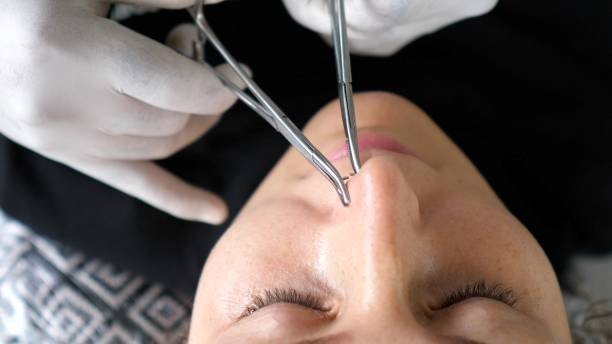
When considering body piercings, the choice of jewelry material is critical not only for aesthetic reasons but also for health and safety. The impact of jewelry material on piercing health is profound, influencing healing times, risk of infection, allergic reactions, and long-term comfort. Understanding these implications can guide individuals in making informed decisions to ensure their piercing experience is positive and safe.
First and foremost, the body’s reaction to different materials should be a primary consideration. Materials like surgical stainless steel, titanium, niobium, and 14k or higher gold are generally recommended due to their biocompatibility. These metals are less likely to cause adverse reactions because they do not contain nickel—a common allergen that can lead to contact dermatitis. Surgical stainless steel is often used due to its durability and low cost; however, it may still contain trace amounts of nickel depending on its grade.
Titanium stands out as an excellent choice for initial piercings because it is lightweight yet strong and completely free from nickel. This hypoallergenic property makes titanium ideal for those with sensitive skin or metal allergies. Similarly, niobium shares many attributes with titanium regarding safety but offers more color options through anodization processes without compromising its hypoallergenic nature.
Gold jewelry must be chosen carefully; only 14k gold or higher should be considered since lower-karat gold contains more alloy metals that could trigger allergic responses or tarnish over time when exposed to bodily fluids during read the full report healing process.
On the other hand, materials such as silver should be avoided in new piercings due to their tendency to oxidize when coming into contact with bodily fluids—leading potentially to irritation or infection. Acrylics might seem appealing due to their variety in colors and designs; however, they can harbor bacteria if not cleaned properly and may degrade over time under certain conditions like exposure to heat or sunlight.
Moreover, understanding your own body’s sensitivities plays a crucial role in selecting appropriate jewelry materials. Consultation with professional piercers who have extensive knowledge about different metals’ interactions with human tissue can provide valuable insights tailored specifically towards individual needs.
In conclusion, while aesthetics play a significant role in choosing body jewelry post-piercing decision-making process—it cannot overshadow the importance of selecting safe materials that promote optimal healing environments while minimizing risks associated with infections or allergic reactions.