
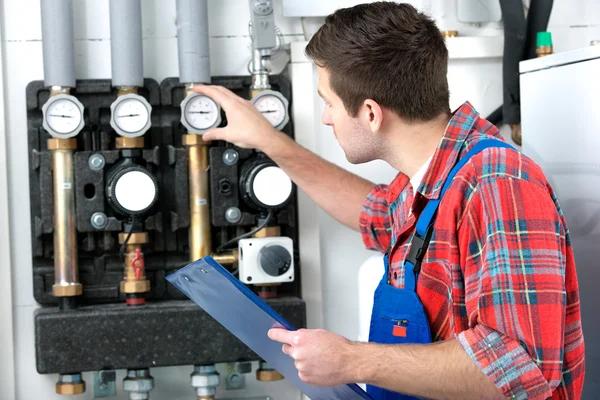
Preventing costly boiler repair breakdowns requires a proactive approach centered on regular maintenance, timely inspections, and proper usage. Boilers are essential for heating and hot water in many homes and businesses, so ensuring their efficient operation can save significant expenses over time. One of the most important steps to avoid breakdowns is scheduling annual professional servicing. A qualified technician will thoroughly examine the system, clean critical components, check for leaks or corrosion, and test safety controls. This routine maintenance helps identify minor issues before they escalate into major problems that require expensive repairs or replacements.
In addition to professional checks, users should pay attention to daily boiler performance. Unusual noises such as banging or whistling may indicate underlying issues like Trust 1 Services Plumbing, Heating, and Air Conditioning trapped in the system or faulty parts. Monitoring pressure levels regularly is also crucial; low or high pressure can reduce efficiency and cause damage if left unaddressed. Many modern boilers come with digital displays that make it easier to keep track of these parameters. If any irregularities are noticed, contacting a service provider promptly prevents further deterioration.
Using the boiler correctly also plays a vital role in its longevity and reliability. Avoid turning the system on and off frequently within short periods because this practice stresses internal components unnecessarily. Instead, maintain consistent settings aligned with your heating needs throughout different seasons. It’s equally important not to tamper with manufacturer-installed safety features or attempt DIY repairs unless you have appropriate expertise since improper handling can worsen problems significantly.
Water quality inside the heating circuit influences how well a boiler functions over time as well. Hard water containing minerals causes scale buildup on heat exchangers which lowers efficiency and increases wear rates leading to premature failure risks. Installing a water softener where necessary reduces mineral deposits while flushing out sludge from radiators periodically keeps circulation smooth.
Ensuring adequate ventilation around the boiler unit supports safe combustion processes by providing enough oxygen supply while preventing overheating due to restricted airflow conditions indoors.
Finally, investing in modern boilers equipped with advanced diagnostics technology offers early warnings about potential faults through error codes displayed directly on control panels or via smartphone apps connected remotely by manufacturers’ services teams.
By combining scheduled professional maintenance with vigilant user practices focused on monitoring performance indicators alongside proper operational habits including water treatment measures you significantly decrease chances of unexpected breakdowns requiring costly interventions thereby extending your boiler’s service life effectively without compromising comfort standards at home or work environments alike.